
Phase 1 network buildout: independent shops, one EV bay, operator support after launch.

Check market fit
Powered by EG

Launch path

From fit call to launch in 16-17 weeks.

The launch path reduces the owner’s real fear: spending money, pulling a tech off the floor, and still improvising when the first high-voltage estimate lands. After go-live, the first 90 days stay under review.
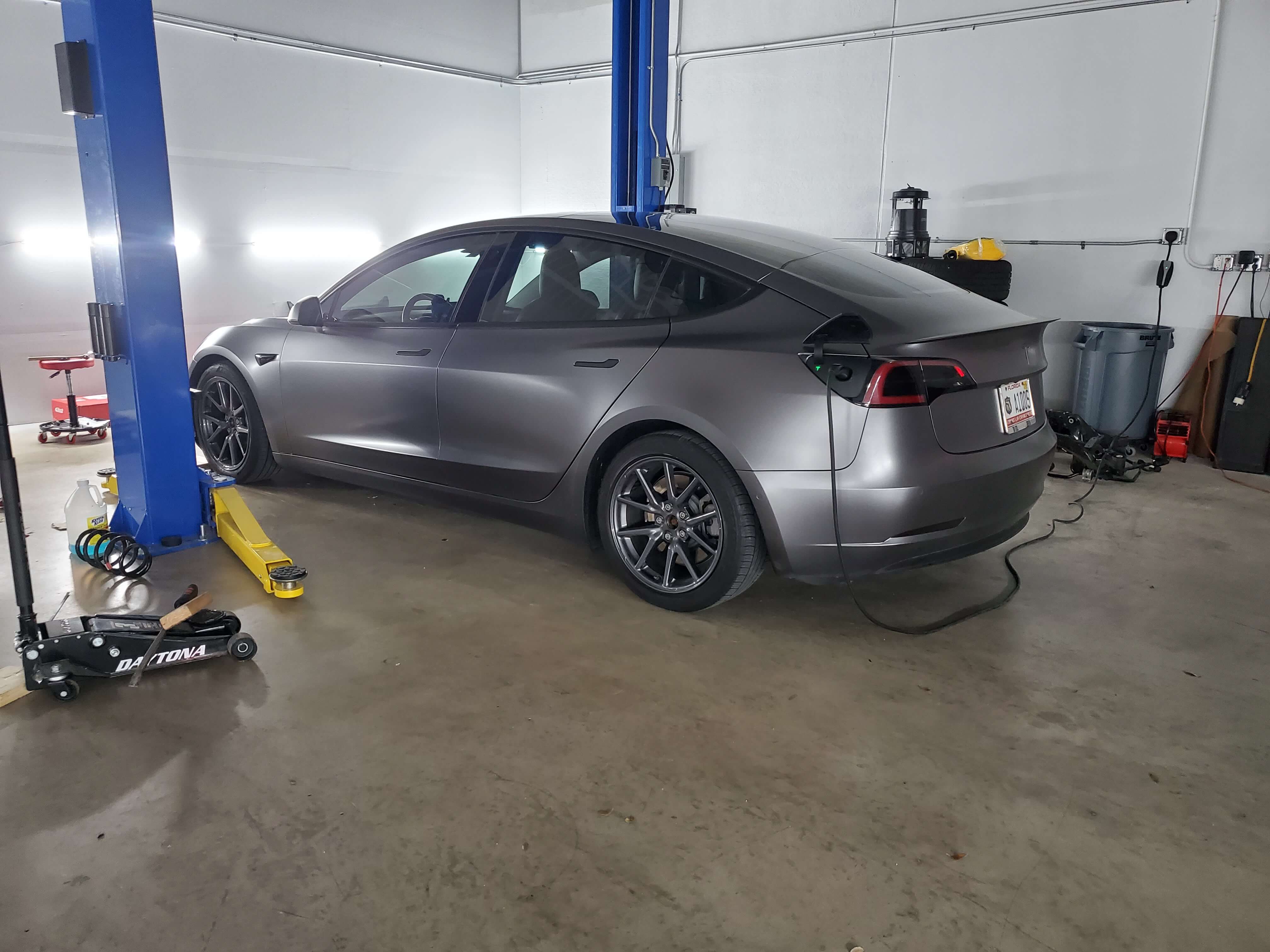
EV-ready bay and lift inside a service shop

Operator-backed network

Built around real bays, real diagnostics, and a support path for the first hard EV job.

Before commitment

The first job is clarity.

A serious owner needs to know what gets inspected, what gets priced, what they still own, and what Powered by EG takes off their plate.

Fit step 1

Book the fit call

A 30-minute owner conversation about market, bays, tech count, current service mix, and what you are already turning away.

Fit step 2

Get the market read

Powered by EG reviews local demand signals, dealer pressure, service wait, and whether one EV lane makes sense now.

Fit step 3

See the shop scope

You get a readiness report that separates what you already own from the training, tooling, safety, and brand work still needed.

Fit step 4

Decide with numbers

The proposal puts timeline, onboarding fee, monthly license, equipment range, launch sequence, and first technician path in front of the owner before commitment.

Onboarding and first 90 days

The sequence has checkpoints, not just milestones.

Each phase leaves the owner with a concrete output: a launch scope, a gap list, trained capacity, live systems, first jobs, or reviewed repair orders.

Decision gates

The right launch says no to the wrong work first.

A controlled EV lane earns trust by defining what the shop can book now and what waits until training, tools, parts, and review catch up.

  1. Weeks 1-2

    Pre-onboarding

    Shop owns

    Complete the agreement, fund onboarding, return the assessment questionnaire, and make bay, insurance, and equipment records available.

    Powered by EG owns

    Assign the onboarding coordinator, review the facility, map the first EV bay, and turn the equipment gap analysis into a procurement plan.

    Output

    Launch scope, coordinator cadence, equipment gap list, and first EV bay path.

  2. Weeks 3-8

    Equipment and infrastructure

    Shop owns

    Approve purchases, coordinate bay access, and prepare the facility for high-voltage safety, lift, diagnostic, and isolation requirements.

    Powered by EG owns

    Coordinate the approved equipment path, safety infrastructure, insurance enrollment, and readiness checks against the Powered by EG standard.

    Output

    Equipment orders, installation plan, safety baseline, and facility-readiness checkpoint.

  3. Weeks 6-14

    Training and certification

    Shop owns

    Protect technician time and select at least one path toward active Level 2 capability.

    Powered by EG owns

    Run Level 1 and Level 2 training, track 43 Level 1 and 39 Level 2 competency items, and require perfect execution on safety-critical work.

    Output

    At least one Level 2 path in motion, competency records, and a clear boundary for bookable work.

  4. Weeks 10-16

    Systems and brand setup

    Shop owns

    Put advisors into the new workflow, prepare local launch touchpoints, and keep the existing ICE schedule stable while the EV lane comes online.

    Powered by EG owns

    Configure Cyon Auto, activate the EV Tuning wholesale account, train advisors, prepare brand materials, and stage co-branded launch marketing.

    Output

    Systems live, parts account active, advisor path ready, and launch materials prepared.

  5. Weeks 16-28

    Launch and first 90 days

    Shop owns

    Route EV work through the new intake rules, protect quality control, and keep repair orders available for review.

    Powered by EG owns

    Support launch, review early jobs, guide parts and estimate decisions, and run 30/60/90 milestone reviews.

    Output

    A live EV lane with measured work, reviewed jobs, and quarterly account rhythm after launch.

Account rhythm

After launch, reviews keep the EV lane from drifting.

This is what the account rhythm means in practice: your team keeps running the shop, while Powered by EG reviews real work, parts blockers, technician capacity, and the next services the lane can safely add.

  • 30/60/90 reviews use real repair orders, not generic status calls.
  • Cyon Auto keeps estimates, workflow, and parts status visible for review.
  • EV Tuning gives advisors a parts path before they promise dates.
  • Quarterly reviews reset training, tooling, marketing, and bay-capacity priorities.
  • Hard jobs have an escalation path before they become expensive guesses.
  • New EV services get added only when the tech, tools, and parts path are ready.

Demand and capacity

Shop

Share EV calls, work turned away, booked jobs, cycle time, and bay pressure.

Powered by EG

Review lane capacity and help decide what the shop can book next.

Bay and safety

Shop

Keep the bay, PPE, isolation process, and advisor intake rules in use.

Powered by EG

Review safety gaps, tooling needs, and the next capability boundary.

Technician path

Shop

Protect training time and keep the first Level 2 technician active.

Powered by EG

Sequence Level 1, Level 2, competency checks, and next technician capacity.

Account rhythm

Shop

Keep repair orders, estimates, parts blockers, and customer feedback visible.

Powered by EG

Run 30/60/90 and quarterly reviews with clear next actions.

Parts blockers

Shop

Flag quote delays, missing components, and customer timing before the estimate stalls.

Powered by EG

Use the EV Tuning path to review sourcing options and keep the advisor from guessing.

Next services

Shop

Show which EV requests keep coming in and where the team wants to expand.

Powered by EG

Decide what can be added now and what waits for training, tools, or parts confidence.

Risk controls

The scary parts are named before the first EV job arrives.

EV service is not easy work. The point is to prove that safety, advisors, technicians, and first-job review are known, sequenced, and watched.

Insurance and safety

High-voltage signage, isolation area, PPE, lockout/tagout, fire containment, and an emergency protocol are treated as launch requirements, not afterthoughts.

Advisor confidence

Service writers get intake language, customer expectations, and escalation rules so EV work does not become a front-counter guessing game.

Technician load

The first training path is sequenced around existing shop work so the owner can add capability without starving the current business.

First-job review

Early EV repair orders get reviewed through the 30/60/90 cadence for margin, cycle time, parts path, estimate quality, and customer feedback.

Lower commitment

Use the call to test whether the launch path fits your shop.

This is the right route if you need to pressure-test market size, bay readiness, technician timing, insurance questions, or the true cost of starting.

Higher commitment

Apply when you are ready for the team to review fit directly.

The application path is for owners who already believe the EV demand is real and want Powered by EG to review the shop, market, team, and timing.

Request CallApply to Join