
Module 01
Network signal
Customers see a shop that joined something real.
Your local name stays intact. Powered by EG adds the visible EV-service signal, launch materials, and standards customers can understand.
Phase 1 network buildout: independent shops, one EV bay, operator support after launch.
Check market fit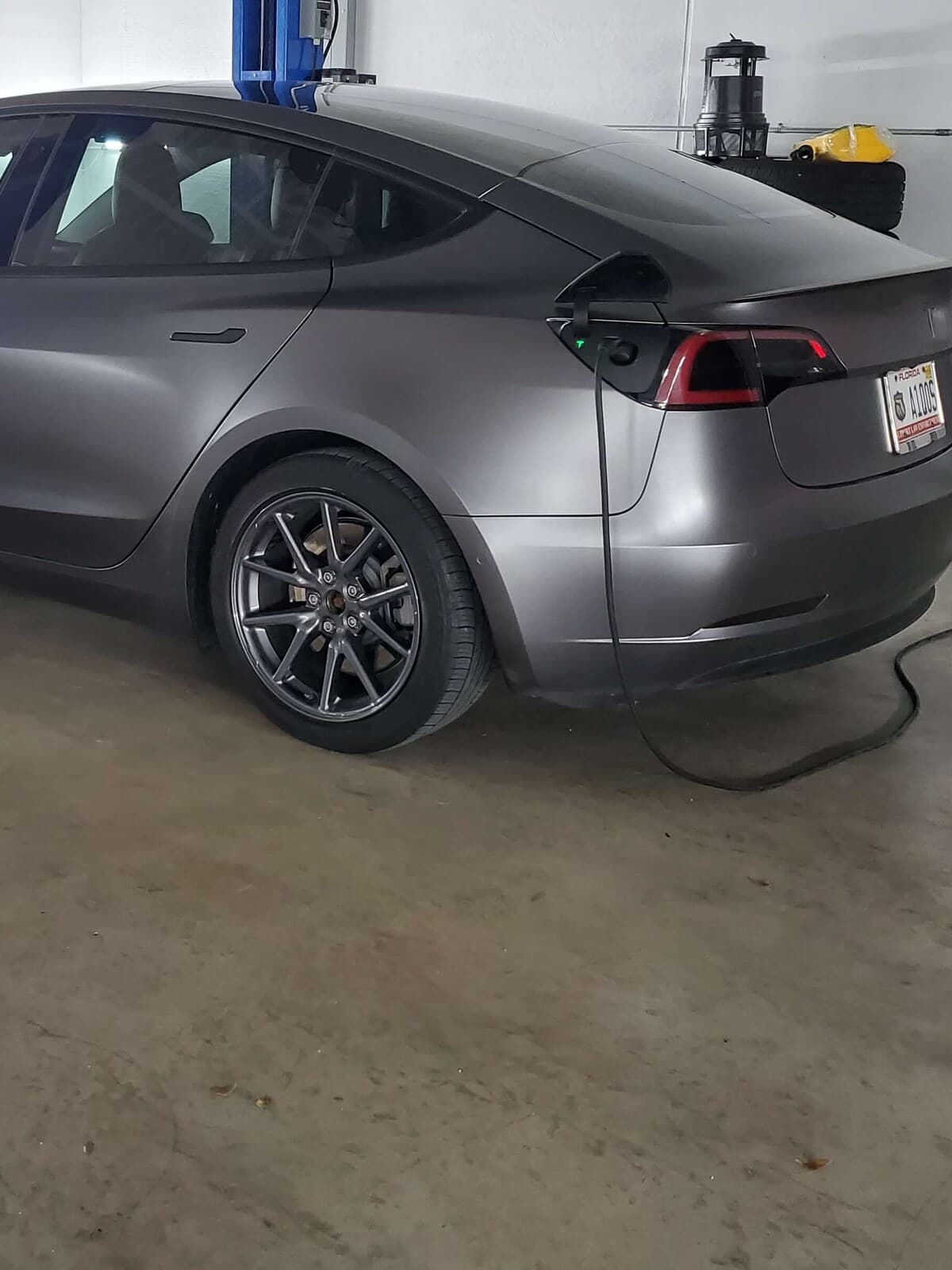
For independent shop owners
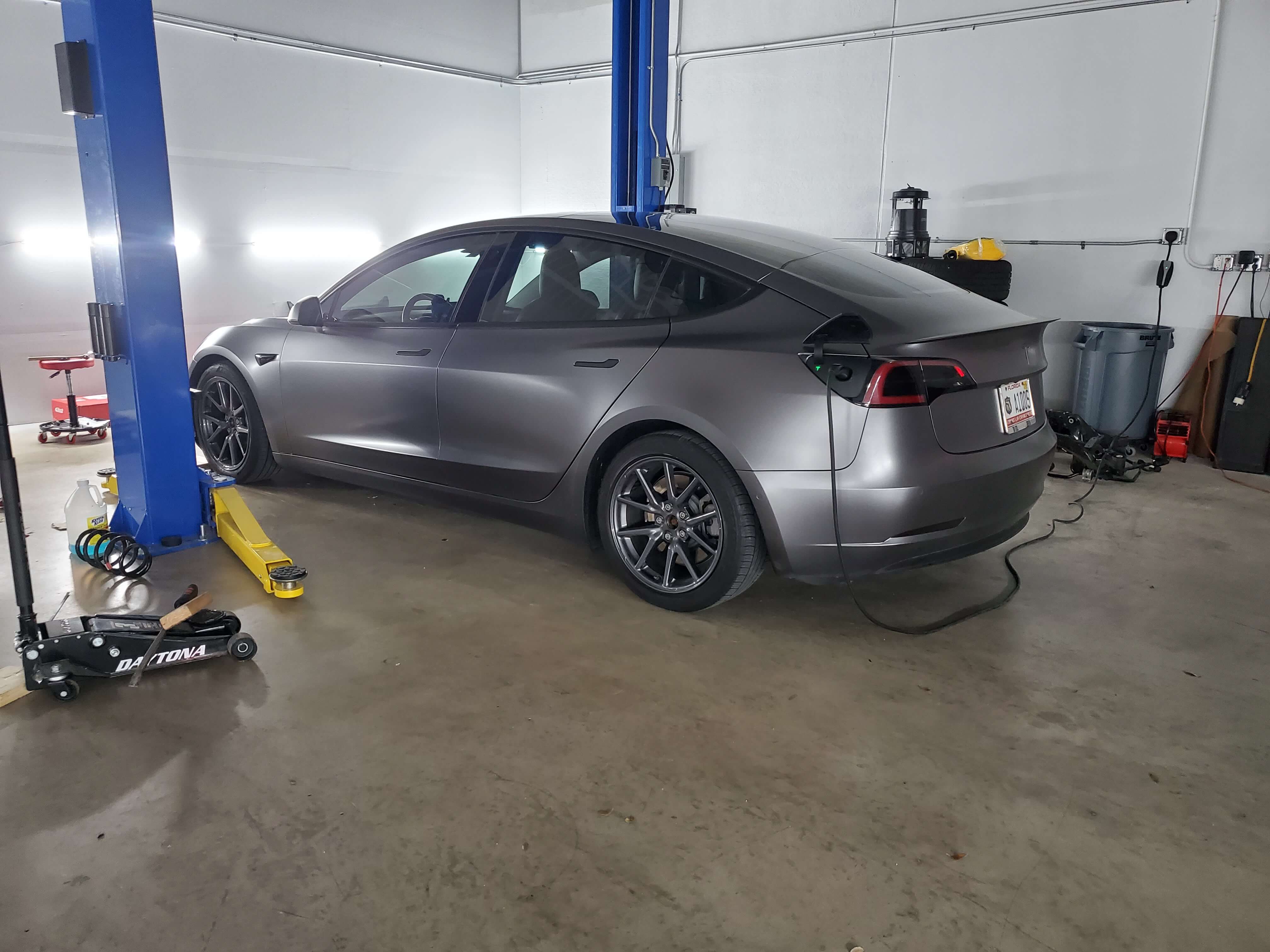
Join a shop network built for the first hard EV job: training, bay standards, parts access, launch support, and an EG operator backstop while your ICE work keeps paying the bills.
Fit conversation first · real operator review · no whole-shop rebrand
The revenue leak
Owners do not need a speech about the future. They need to stop watching high-value diagnostics, battery work, and EV parts tickets leave the market because their team has no safe path to say yes.
25%
Independent shops servicing zero EVs today
$169.6B
Projected global EV repair market by 2034
7.7M
Projected new EVs per year by 2030
~$40K
Parts flow per licensed EV bay per year
Source context: S&P Global Mobility / BloombergNEF public market estimates
The network answer
The license is built around the shop owner’s real constraint: EV demand is showing up before most teams have the training, tools, parts path, and confidence to quote the work safely.
Module 01
Customers see a shop that joined something real.
Your local name stays intact. Powered by EG adds the visible EV-service signal, launch materials, and standards customers can understand.
Module 02
Techs progress through a defined high-voltage ladder.
AutoUpskilled gives licensees a structured Level 1 and Level 2 path instead of scattered online videos and uneven shop-floor judgment.
Module 03
The first EV bay gets built from a checklist.
Lift, PPE, isolation, diagnostics, battery handling, and incident response get scoped before the first customer makes the hard ask.
Module 04
Hard jobs do not leave your team alone.
The EG flagship operator team stays close through reviews, escalation logic, and practical guidance after the launch excitement wears off.
Dual-capability floor
Gas work stays alive. EV gets a lane.
Built for gas-shop roots
The strongest pitch to a serious owner is restraint. Powered by EG adds EV capability beside the existing business, so the first EV bay becomes an expansion lane instead of an identity crisis.
Alignment, suspension, brakes, diagnostics, performance, and fleet work do not stop.
Start with a controlled EV-ready bay instead of trying to convert the whole shop at once.
Level 1, Level 2, then deeper tracks when the market and staffing justify it.
Powered by EG gives customers a reason to trust the new EV offer beside your local name.
Inside the four walls
EV service is a controlled bay buildout, not a second location. The decision gets easier when the owner can see exactly what stays familiar and what has to get disciplined.
What stays the same
What changes
16-17 weeks to launch, then first 90 days
The launch path is designed to reduce the owner’s biggest fear: buying tools, training one tech, and still improvising when a real high-voltage job rolls in.
Capital reality
The investment conversation starts with the real line items: onboarding, monthly license, equipment gaps, parts access, and the first trained Level 2 path. One EV bay can matter without asking the shop to bet the whole business.
Initial onboarding
$40K
First Level 2 path, systems setup, brand kit, launch campaign, and 90-day support.
Monthly license
$3K/mo
Network standards, operating support, account reviews, and the ongoing program layer.
Equipment / infrastructure
$47K-$143K
Gap-based range for lifts, diagnostics, PPE, HV safety, and first EV bay readiness.
Onboarding to launch
16-17 wks
Assessment, equipment, training, systems, brand setup, and go-live sequence.
Required tech path
1 L2
At least one active Level 2 technician is required to operate the EV lane.
Parts motion
EV Tuning
Wholesale account setup keeps more estimates from stalling on sourcing.
What changes the math
The backstop
When the first ugly diagnostic comes in, the owner does not need a PDF. They need standards, escalation logic, and a real operator team close enough to keep the shop from guessing.
Objections
You should see the friction clearly before you spend money, protect technician time, or put your name on EV work.
Good. Powered by EG is not a replacement for the work that pays the bills. It is a controlled EV lane beside the existing operation.
It is capital-intensive, which is why the page shows ranges instead of pretending the investment is trivial. The point is to reduce wasted spend and bad process risk.
Dealers are not set up to be the only answer for every aging EV, parts estimate, diagnostic, and component-level repair. Independent shops need a credible way in.
Next step
Start with a fit conversation if you are still pressure-testing the decision. Apply if you are ready for the team to review your market, bays, staffing, and timing.
Fit check
Send the basics. We will confirm whether your market, bays, and timing deserve a deeper conversation.